An excerpt from an opinion piece in our latest 'HACK: Behind the Scenes at Marauders' update:
"Coach, when we doing a match?" Coaches will be all too familiar with this question they get from kids at training. Often multiple times per session.
According to many, the correct answer should now be “most of the time”.
We have all seen coaches throwing down a load of cones before spending their time explaining how to do ‘drills’. The kids then spend their time trying to work out what they are meant to be doing while looking at the floor for the cones. And quite often shivering.
However, with scientific evidence and expertise from other industries, including teaching, it is now accepted kids learn best through play and games. And the majority enjoy it more.
As the aptly named ‘Learning through play’ organisation says: “From our earliest days, play is how we relate to the world, and to each other. When children have plenty of opportunities to learn playfully, they do what they do best: pursue their natural curiosity. And, as they do, they build skills and aptitudes they’ll keep for life.”
But how does this work in football?
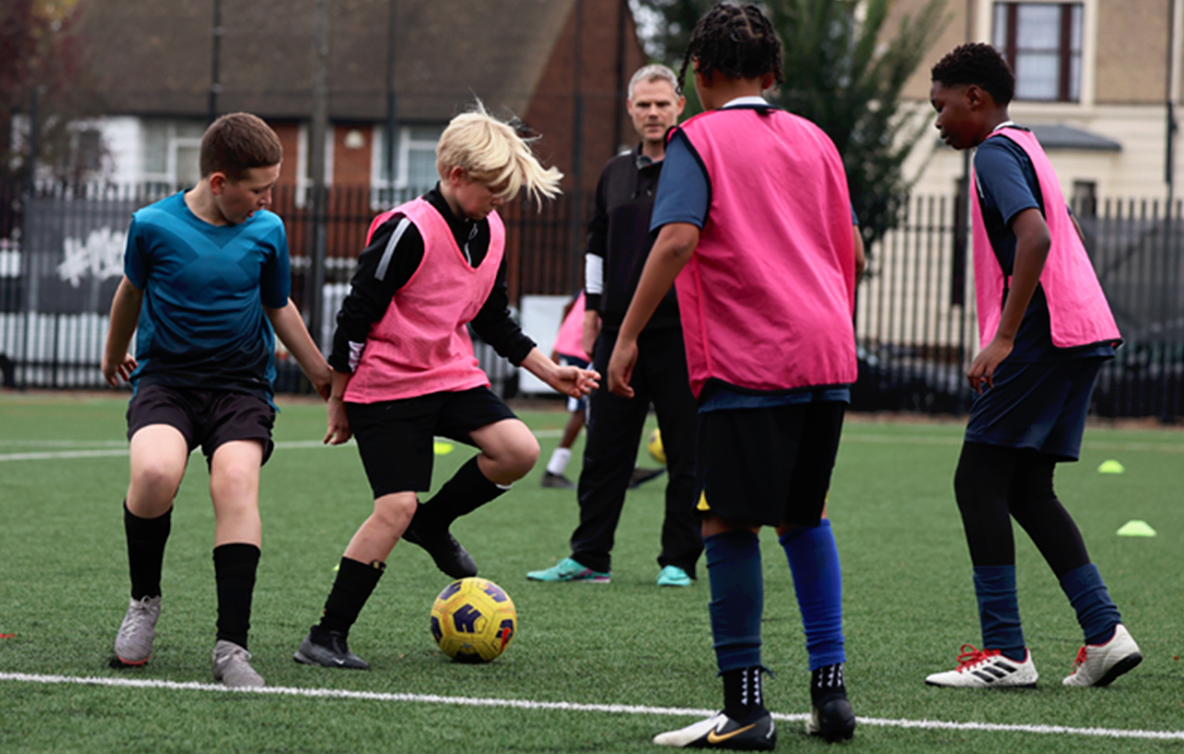
According to the FA and UEFA coaching courses, this can simply mean introducing mini-games or small-sided matches to training, with coaches emphasising a particular skill or technique for kids to try in that setting.
The key is realism. Our aim as coaches is for the players to develop their football skills to hopefully put into practice in a match. So it makes sense that training should reflect that as much as possible.
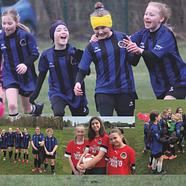
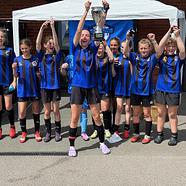
Some teams at the club are doing this already, with great success. Diamonds have won all but one match this season at the time of writing and have seen the dividends from mini-games.
As explained by their coach Mark: “We do a possession-based game on a small pitch with matched-up numbers, where the players are tasked with completing five passes to ‘unlock’ the goals, which then allows them to score. They cannot score until they have done the number of passes.
“The size of pitch, number of passes, number of touches, number per team, can all be adapted to how many players you have and their ability level.
“Our aim was to help the players be comfortable moving the ball under pressure, without panicking. We also wanted them to be confident in tight spaces and think about ‘recycling the ball’ by shifting it to a teammate.
“We have really noticed it paying off in matches with the girls looking to play a pass, rather than panicking and belting the ball without thinking.”
Read the full article.
"Coach, when we doing a match?" Coaches will be all too familiar with this question they get from kids at training. Often multiple times per session.
According to many, the correct answer should now be “most of the time”.
We have all seen coaches throwing down a load of cones before spending their time explaining how to do ‘drills’. The kids then spend their time trying to work out what they are meant to be doing while looking at the floor for the cones. And quite often shivering.
However, with scientific evidence and expertise from other industries, including teaching, it is now accepted kids learn best through play and games. And the majority enjoy it more.
As the aptly named ‘Learning through play’ organisation says: “From our earliest days, play is how we relate to the world, and to each other. When children have plenty of opportunities to learn playfully, they do what they do best: pursue their natural curiosity. And, as they do, they build skills and aptitudes they’ll keep for life.”
But how does this work in football?
According to the FA and UEFA coaching courses, this can simply mean introducing mini-games or small-sided matches to training, with coaches emphasising a particular skill or technique for kids to try in that setting.
The key is realism. Our aim as coaches is for the players to develop their football skills to hopefully put into practice in a match. So it makes sense that training should reflect that as much as possible.
Some teams at the club are doing this already, with great success. Diamonds have won all but one match this season at the time of writing and have seen the dividends from mini-games.
As explained by their coach Mark: “We do a possession-based game on a small pitch with matched-up numbers, where the players are tasked with completing five passes to ‘unlock’ the goals, which then allows them to score. They cannot score until they have done the number of passes.
“The size of pitch, number of passes, number of touches, number per team, can all be adapted to how many players you have and their ability level.
“Our aim was to help the players be comfortable moving the ball under pressure, without panicking. We also wanted them to be confident in tight spaces and think about ‘recycling the ball’ by shifting it to a teammate.
“We have really noticed it paying off in matches with the girls looking to play a pass, rather than panicking and belting the ball without thinking.”
Read the full article.